Fitness Planner KDP: A Practical Design Tool
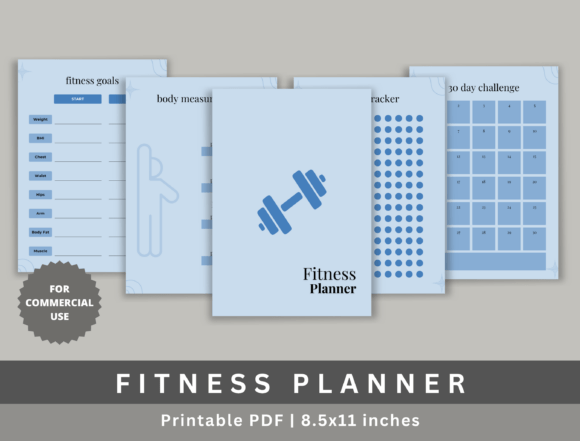
Creating a fitness planner that looks polished, functions well, and meets the expectations of today's buyers is no small task. Whether you are publishing on Amazon's Kindle Direct Publishing platform or designing for your own use, the difference between a generic layout and something with real structure often comes down to the interior template you choose. The Fitness Planner KDP interior described here is a 12-page PDF, built to the standard 8.5 x 11 inch trim size, and designed with both visual clarity and practical usability in mind. It is not just a set of pages; it is a carefully proportioned framework that aims to reduce friction for both the publisher and the end user.
What makes this template stand out is the deliberate balance between design and function. With high-resolution graphics that are print-ready, a commercial use permit included, and a structure that requires no additional editing before upload, it removes much of the guesswork from the production process. For anyone considering a fitness-related publication, understanding what this tool offers and whether it fits their specific needs is worth a closer look.
What the Fitness Planner KDP Interior Actually Provides
At its core, this is a 12-page interior template tailored for low-content publishing on KDP. The pages are laid out at 8.5 x 11 inches, a size that works well for both digital and print formats. The design emphasizes proportionate spacing and clean lines, making it suitable for a variety of fitness tracking purposes such as workout logs, meal planning, habit tracking, and goal setting. Because the file is delivered as a ready-to-upload PDF, you can bypass the time-consuming steps of formatting, adjusting margins, or troubleshooting alignment issues.
The template also comes with a commercial use license, which means you can incorporate it into products you sell without worrying about licensing restrictions. This is particularly valuable for publishers who want to maintain flexibility in how they use the design across multiple projects. The combination of print-ready resolution, standard trim size, and clear layout makes this a practical foundation for anyone building a fitness planner from scratch.
Why Different Users Care About This Template
The value of a ready-made KDP interior shifts depending on who you are and what you are trying to accomplish. For a beginner just starting out with self-publishing, the main appeal is simplicity. You do not need to learn complex design software or hire a freelancer to get a professional-looking result. The template arrives fully formatted, so the learning curve is minimal. You can focus on content, covers, and marketing rather than wrestling with margins or bleed settings.
For an experienced creator or small business owner who publishes multiple planners, the priority often shifts toward efficiency and consistency. A template like this saves hours of repetitive work. Instead of rebuilding a layout from scratch for each new fitness planner, you can reuse the same base design, tweak the cover and title, and launch faster. The commercial use permit also means you are not restricted to a single product line. You could adapt the interior for a workout journal, a wellness tracker, or even a combined fitness and meal planner without needing a separate license.
Freelancers, marketers, and educators may evaluate the template differently. A fitness coach or educator might use it as a handout for clients or students, appreciating the clean layout that supports readability. A marketer or blogger might bundle it as a freebie or lead magnet, knowing that the high-resolution print quality reflects well on their brand. The common thread across these use cases is that the template acts as a time-saving tool, but the specific benefit you draw from it depends on your workflow and audience.
Quality, Cost, and Long-Term Usefulness
When evaluating any KDP interior, three factors tend to surface repeatedly: quality, cost, and long-term utility. Quality here is addressed through high-resolution graphics and a proportionate layout. The pages are designed to print clearly without pixelation or awkward spacing. For publishers who care about the physical product, this matters because a poorly formatted interior can lead to returns, negative reviews, or customer complaints. Clean, readable pages help build trust with buyers.
Cost is another angle worth considering. Purchasing a ready-made template is generally more affordable than hiring a designer or spending hours learning layout software. For a beginner or small business owner with a limited budget, this represents a low-risk investment. You pay once and can use the template for commercial projects. Over time, that single purchase can support multiple products, which improves the return on investment significantly.
Long-term usefulness depends on how flexible the template is. The 12-page structure is concise, which makes it suitable for focused planners rather than comprehensive journals. If your goal is to create a slim, targeted product that addresses a specific fitness need, this format works well. However, if you envision a 100-page planner with extensive sections, you may need to combine multiple templates or build additional pages yourself. Understanding the scope of the template before you start helps align expectations with outcomes.
Practical Examples for Different Reader Types
Imagine a beginner publisher who wants to launch their first fitness planner on KDP. They have no design experience and a tight budget. Using this template, they can upload the PDF directly, pair it with a cover, and have a listing live within a day. The ready-to-use format removes technical barriers and lets them focus on writing compelling product descriptions and setting up keywords.
Now consider a small business owner who runs an online store selling wellness products. They want to offer a free downloadable fitness planner as a customer incentive. The commercial use permit allows them to distribute the file without worrying about copyright issues. The clean design reinforces their brand's professionalism, and because the template requires no editing, they can deploy it quickly without tying up staff time.
A fitness coach or educator might use the same template as a printable handout for workshop participants. The 8.5 x 11 inch size is standard for printing at home or at a copy shop, and the clear layout makes it easy for clients to fill in sections by hand. In this context, the template serves as a functional tool rather than a product for sale, but its practicality remains unchanged.
Ease of Use and Reliability in Production
One of the strongest arguments for this template is its ease of use. The file is described as ready-to-upload with no further editing required. For anyone who has spent hours tweaking margins or fixing alignment issues in a PDF, this is a meaningful benefit. Reliability in production means you can upload, preview, and approve the interior with confidence that it will print correctly. This reduces the risk of delays or rejections during the KDP review process.
Speed also plays a role. If you are launching a new product quickly or testing a niche, a pre-formatted interior lets you move from idea to listing in a fraction of the time it would take to build from scratch. For creators who publish frequently, this efficiency can translate into a more sustainable workflow and a faster feedback loop on what works in the market.
Flexibility and Creative Potential
While the template provides a fixed structure, there is still room for creativity. You can pair the interior with custom cover designs, choose different paper finishes, or bundle it with complementary products. The 12-page count works well for focused topics such as a 30-day workout challenge, a weekly meal tracker, or a habit-building log. If you want to expand the scope, you can combine multiple copies of the template or use it as a section within a larger journal.
The commercial use permit also supports creative business models. You might sell the planner as a standalone product, include it as a bonus in a larger bundle, or offer it as a complementary download alongside a paid course or coaching program. The flexibility to repurpose the content across different offerings adds to its overall value.
Who Should Consider This Template
This template is best suited for anyone who wants a clean, functional fitness planner interior without investing significant time or money into custom design. Beginners will appreciate the simplicity and low cost. Experienced publishers will value the consistency and commercial license. Small business owners, freelancers, and educators can use it as a practical resource for client materials or product launches.
If your goals involve creating a highly customized planner with unique layouts, extensive sections, or complex formatting, you may find the 12-page structure too limiting. In that case, this template could still serve as a starting point or a component within a larger project. For most standard fitness planning needs, however, the combination of ready-to-upload convenience, print-ready quality, and commercial usability makes it a solid choice worth evaluating against your specific requirements.