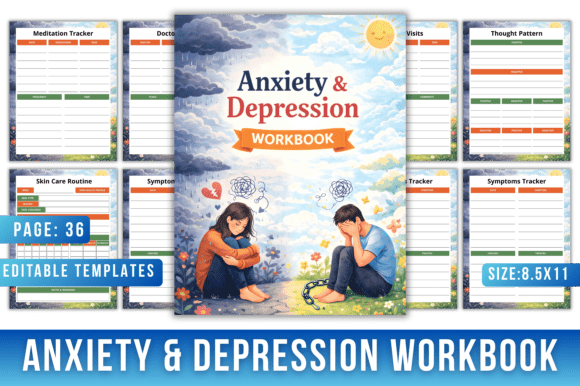
Anxiety Depression Workbook: A Practical Tool for Emotional Wellness in a Demanding World
In an era where professional demands, creative pressures, and digital overload converge, mental well-being has become a central concern for entrepreneurs, marketers, freelancers, and creators. The Anxiety Depression Workbook emerges not as a passive journal, but as a structured, actionable resource for navigating emotional turbulence. It is a thoughtfully designed mental wellness planner that helps individuals understand their emotions, track daily feelings, and build healthier habits. From self-reflection exercises to mood tracking and mindfulness practices, this workbook supports a journey toward emotional balance and personal growth. But beyond its pages, the workbook reflects a broader shift in how we approach mental fitness—moving from reactive crisis management to proactive, data-informed self-care.
Understanding the Anxiety Depression Workbook
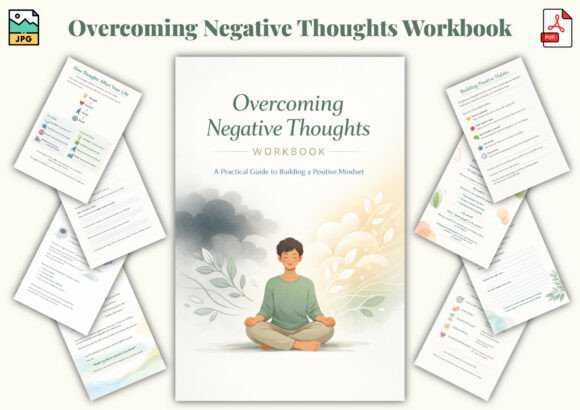
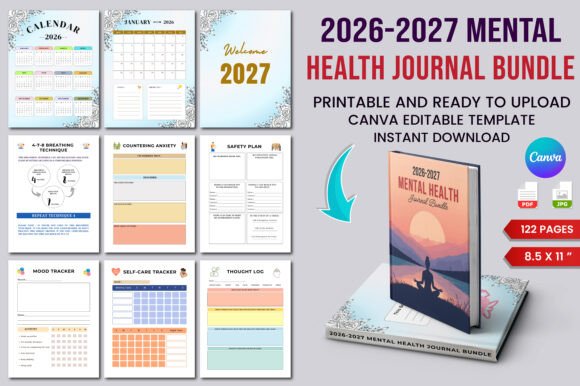
At its core, the Anxiety Depression Workbook is a guided system for emotional literacy. It provides 36 pages of structured activities, including daily and weekly trackers, thought challenging exercises, journaling sections, and goal-setting frameworks. Unlike generic notebooks, it integrates cognitive behavioral therapy principles with practical habit tracking, making it suitable for both clinical self-help contexts and everyday stress management. The workbook includes safety coping plans, self-esteem and gratitude pages, and mindfulness wellness pages, all designed to be used sequentially or as needed. Its editable Canva link and ready-to-upload PDF format make it accessible for personal use or as a resource for coaches and therapists working with clients.
The workbook’s strength lies in its blend of reflection and measurement. Users are guided to monitor mood, sleep, behaviors, and triggers over time, creating a personal dataset that reveals patterns. This aligns with a growing demand for self-quantification in mental health—a trend seen in wearable devices and mood-tracking apps. However, the workbook offers an offline, analog alternative that reduces screen fatigue, a significant consideration for knowledge workers who spend hours online.
Why the Anxiety Depression Workbook Matters in Today's Landscape
The relevance of the Anxiety Depression Workbook is rooted in several converging trends. First, the global conversation around mental health has destigmatized seeking help, but access to professional therapy remains uneven. Many professionals and creators face high stress, imposter syndrome, and burnout without the time or resources for weekly therapy sessions. The workbook fills this gap as a low-cost, self-directed tool that can be used independently or in conjunction with professional support.
Second, the remote work revolution has blurred boundaries between personal and professional life. Freelancers and entrepreneurs often lack structured schedules, leading to irregular sleep, poor habits, and difficulty tracking emotional states. The workbook’s daily and weekly trackers provide a framework for accountability. For example, a freelance graphic designer might use the mood behavior tracking to notice that tight deadlines trigger anxiety, prompting earlier project planning or delegation. Similarly, a marketer juggling multiple campaigns can use the goal-setting pages to break overwhelming objectives into manageable steps, reducing avoidance.
Third, there is a rising emphasis on holistic wellness—not just physical health but emotional and cognitive fitness. Companies are investing in employee wellness programs, and individuals are seeking sustainable productivity. The Anxiety Depression Workbook supports this by encouraging regular mindfulness and self-care routines. Its mindfulness wellness pages include affirmations and practices that can be integrated into a morning ritual, helping professionals start the day with intention rather than reactivity.
Meeting Changing Expectations Around Mental Self-Care
Modern consumers expect tools that are both evidence-based and personalized. The workbook’s self-reflection exercises and thought challenging worksheets draw from cognitive behavioral therapy, a widely validated approach. But its design also acknowledges that one size does not fit all. Users can choose which sections to emphasize based on their current needs—whether it is building self-esteem through gratitude pages or developing a safety plan for difficult moments. This flexibility resonates with professionals who value efficiency: they want a resource that adapts to their workflow, not a rigid curriculum.
Moreover, the workbook taps into the popularity of bullet journaling and planning as creative outlets. Many creators and marketers already use planners for project management; extending this habit to emotional tracking feels natural. The journaling sections provide space for free expression, while the structured prompts prevent the overwhelm of a blank page. This combination is particularly appealing for individuals who struggle with consistent journaling but recognize its benefits.
Key Components in Practical Context
To appreciate how the Anxiety Depression Workbook functions in real life, consider its components not as isolated features but as interconnected tools within a broader mental wellness system.
- Self-reflection worksheets are not just prompts; they are diagnostic starting points. A business owner might use them to uncover that feelings of inadequacy arise during quarterly reviews, leading to better preparation or mindset shifts.
- Daily and weekly trackers transform subjective feelings into objective data. By tracking sleep, exercise, and mood, a content creator can correlate late-night work sessions with next-day energy dips, prompting schedule adjustments.
- Mood and behavior tracking helps identify triggers. For instance, a marketer might notice that client revisions consistently cause frustration, signaling a need to set clearer boundaries or revision limits.
- Thought challenging exercises teach cognitive reframing. A freelancer facing a project setback can write down the automatic negative thought ("I'm a failure") and challenge it with evidence, reducing catastrophic thinking.
- Mindfulness and wellness pages offer reset points. In the middle of a chaotic workday, a 5-minute affirmation practice can lower stress and improve focus.
- Safety coping plans are critical for resilience. They outline steps for managing panic attacks or overwhelming sadness, allowing professionals to function even during tough days.
- Goal setting and progress tracking aligns emotional health with professional ambitions. A creator launching a new product can set daily goals for self-care alongside business tasks, preventing neglect of personal well-being.
- Self-esteem and gratitude pages build long-term resilience. By regularly noting positive aspects, even perfectionists can slowly shift their internal dialogue.
These components work together to create a feedback loop: reflection leads to awareness, tracking reveals patterns, challenges reframe perspectives, and structured plans enable action. The result is not just temporary relief but the cultivation of habits that support sustainable mental health.
The Workbook as a Catalyst for Personal Growth and Productivity
For entrepreneurs and creatives, emotional balance is not separate from professional success. Burnout leads to decreased creativity, poor decision-making, and lost revenue. The Anxiety Depression Workbook addresses this by embedding wellness into daily routines. When used consistently, it helps users recognize early warning signs of stress or depression, such as changes in sleep or increased irritability, and intervene before these escalate.
Consider a freelance writer who struggles with anxiety about deadlines. Using the workbook’s trackers, they might discover that their anxiety spikes on days with insufficient sleep. The goal-setting pages allow them to create a new bedtime routine and track compliance. The mindfulness pages offer breathing exercises to use before starting work. Over weeks, the writer builds greater self-regulation, leading to better output and less emotional exhaustion.
Similarly, a marketing manager facing team pressure can use the safety coping plan to manage conflict discussions. By writing down calming strategies beforehand, they approach meetings with more composure. The journaling sections provide a private outlet for frustration, reducing the risk of emotional outbursts in the workplace.
Connecting to Larger Developments
The rise of the Anxiety Depression Workbook mirrors the broader mental health tech and self-care industry growth. However, it stands out by offering an analog solution in a digital world. Many professionals experience screen fatigue; turning to a paper workbook can be a mindful act in itself. The editable Canva link provides a hybrid option for those who prefer digital, but the core experience remains tactile.
Furthermore, the workbook aligns with the trend of "theragnostics"—combining therapeutic tools with self-assessment. While apps like Calm or Headspace offer meditations, they lack the deep reflection and habit tracking that this workbook provides. It fills a niche for individuals who want to move beyond passive consumption of wellness content to active engagement with their mental patterns.
The growing acceptance of preventive mental health care also supports the workbook’s relevance. Just as people track steps and calories, tracking emotional health is becoming normalized. The workbook makes this accessible, requiring no subscription or Wi-Fi. It can be used in cafes, on commutes, or at a desk—anywhere a notebook can go.
Implementing the Workbook in Professional and Creative Lives
To maximize the value of the Anxiety Depression Workbook, professionals should integrate it into existing workflows. For example, a freelancer might set aside 10 minutes each morning to fill in the daily tracker and review the previous day’s notes. A marketing team could use the goal-setting pages during weekly planning to ensure personal wellness goals are included alongside project milestones. Coaches can assign specific sections between sessions to reinforce skills.
The workbook’s design also supports gradual adoption. A user overwhelmed by anxiety might start with only the safety coping plan and gratitude pages, then incorporate tracking later. This modularity reduces resistance and allows the tool to meet users where they are.
Importantly, the workbook is not a replacement for professional therapy but a complement. It helps users become more articulate about their experiences, which can improve communication with therapists. The data collected can even be shared with a clinician to inform treatment.
Conclusion
In a world that often prizes productivity over peace, the Anxiety Depression Workbook offers a structured path toward emotional intelligence and self-compassion. It addresses the real needs of professionals, creators, and entrepreneurs who seek to manage stress, understand their triggers, and build habits that support long-term well-being. By blending evidence-based exercises with practical tracking, it meets users in their busy lives and provides a framework for growth. Whether used independently or as part of a larger wellness strategy, this workbook represents a thoughtful investment in the one asset that underpins all others: mental health.