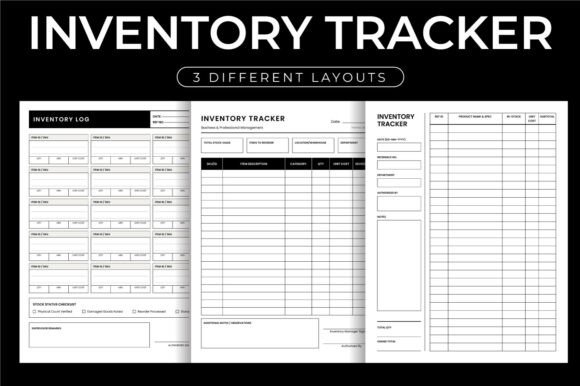
Inventory Log KDP Interior: 3 Ready-to-Upload Layouts
Managing inventory is a universal need, whether you run a boutique, track a book collection, or publish content for Amazon KDP. An inventory log KDP interior bridges the gap between a simple notebook and a complex digital spreadsheet by providing a structured, physical format for recording assets. This specific pack offers three distinct layouts across 120 print-ready pages, serving both the end-user who needs a robust tracking system and the publisher who requires high-quality, defect-free content.
A Practical Tool for Diverse Needs
What makes an inventory system work? Structure and consistency. A physical logbook offers permanence that digital tools sometimes lack. It provides an offline record that is not reliant on batteries, subscriptions, or internet access. For the KDP publisher, this interior is a ready-to-use asset. For the business owner, it is a central ledger for stock. For the hobbyist, it is a satisfying way to catalog a collection.
The pack includes three PDF files and three JPG files, each built at 300 DPI with an 8.5" x 11" trim size and no bleed. This specific configuration is a standard for Amazon KDP because it passes automated checks efficiently and delivers a professional printed result.
What Defines a Quality KDP Interior?
Publishers searching for an inventory log KDP interior often prioritize technical specifications over layout details. A file that fails validation can delay a launch. Here is why the specifications matter.
Technical Specifications Explained
No Bleed means the content is designed to fit entirely within the safe print margins. This eliminates the risk of text being cut off during trimming. For a beginner publisher, this is the highest priority. You want a file that works on the first upload attempt.
300 DPI ensures that every line and letter prints sharp. Low-resolution files can appear pixelated in print, damaging customer trust. High resolution is particularly critical for a logbook, where users need clear fields for handwriting.
120 Pages strikes a practical balance. The book feels substantial in hand, offering space for hundreds of entries, yet it remains cost-effective to print. This page count is a proven standard in the Business & Money category on KDP.
Customizability for Professionals
While the interior is ready to upload immediately, it also allows for customization. Experienced KDP creators can import the PDFs into design software to add a brand logo, change a header font, or translate the field labels. This provides a foundation that saves hours of setup while still allowing for a unique final product. The 3 JPG files are immediately useful for creating professional book previews or A+ content that showcases the interior structure.
Three Layouts for Different Workflows
Not everyone tracks inventory the same way. A freelancer might track project assets, a retailer tracks stock levels, and a hobbyist tracks supplies. Having three distinct layouts within one bundle increases its long-term usefulness.
The Standard Stock Tracker
This layout focuses on the essentials: item name, SKU, quantity on hand, and reorder level. It is ideal for someone managing a small shop, a classroom library, or a workshop supply shelf. The simplicity makes it easy to delegate to a team member or student assistant.
The Detailed Business Stock Book
This layout adds fields for supplier information, purchase cost, selling price, and storage location. It works well for entrepreneurs, resellers, and vintage dealers who need to track profit margins and cost of goods sold. Having this data in a single physical book simplifies tax preparation and cash flow analysis.
The Flexible Product Log
This layout includes fields for condition, status, and general notes. It is designed for collectors, creators, and educators who track items that change over time. A vinyl collector can note pressing quality. A quilter can track fabric acquisition and project completion. This layout adapts to the unique nature of your inventory.
Who Benefits from This System?
The value of an inventory log often depends on your immediate goals. Different audiences interact with the product in different ways.
For the KDP Publisher
This interior saves direct hours of formatting work. Instead of wrestling with table widths and PDF validation, you have a print-ready file. The 120-page count, 300 DPI resolution, and no-bleed formatting are already optimized. You can focus on creating a cover and marketing the book. For a publisher looking to build a brand in the business tools niche, this bundle offers a strong starting point that can be resold as is or used as a template for a series.
For Entrepreneurs and Small Business Owners
Inventory is cash flow. A physical logbooks provides a master record that is independent of digital platforms. Imagine a vintage clothing seller using the Business Stock Book layout. They can record acquisition cost, condition, and selling price in a single entry. This one sheet becomes a tool for profit analysis. When stock moves slowly, the visual record highlights the issue faster than scrolling through a spreadsheet.
For Creators, Hobbyists, and Collectors
A structured catalog adds satisfaction to collecting and creating. A graphic designer might use the Product Log to track software licenses, client assets, and hardware serial numbers. A vinyl enthusiast can catalog a growing library, documenting pressing details and provenance. The act of writing solidifies the record in a way that typing often does not.
For Educators and Workshop Leaders
Managing classroom supplies, textbooks, or science equipment is easier with a sign-out log or inventory sheet. The Standard Stock Tracker is simple enough for students to use responsibly. The structured PDFs can be printed individually for specific units or experiments, providing flexibility beyond the full book.
Evaluating Flexibility and Long-Term Use
A good interior is not just about the first print run. It is about how useful the book remains over time. The three layouts allow you to switch systems as your needs grow. You might start with the simple Stock Tracker for a small collection and later switch to the Business Stock Book as your operation expands. Having the option to customize the PDFs means the content can evolve with your brand or workflow. The high-resolution JPGs are also useful for testing page layouts before committing to a full print run.
In a world of software subscriptions, a physical logbook offers permanence. You buy it once. You print it once. The data lives on the page, accessible without a login or an update. This is a core reason why people specifically search for an inventory log KDP interior—they want a tangible, reliable system for organization.
Is This Interior Right for Your Goals?
Identifying whether this product matches your project type depends on your primary need.
- You need speed and reliability: This interior eliminates technical hurdles. Size, bleed, and resolution are already set for Amazon KDP. You simply upload and publish.
- You need a foundation for a series: The clean, professional formatting provides a base that you can customize for different niches, such as "Home Inventory Log" or "Small Business Stock Book."
- You need a physical system for yourself: The three layouts offer flexibility. You can choose the one that best fits your current project, whether it is managing inventory, cataloging assets, or tracking supplies.
- You are a beginner publisher: This is a low-risk way to learn the KDP platform. The file is designed to pass validation easily, allowing you to focus on other aspects of publishing.
- You are a seasoned professional: You can leverage the high-resolution files and multiple layouts to create a unique product line, saving hours of repetitive design work.
The best tool is the one you actually use. An inventory system must be clear, accessible, and durable. This interior provides the structure to organize your data effectively, whether you are publishing it as a product or using it to manage your own assets.