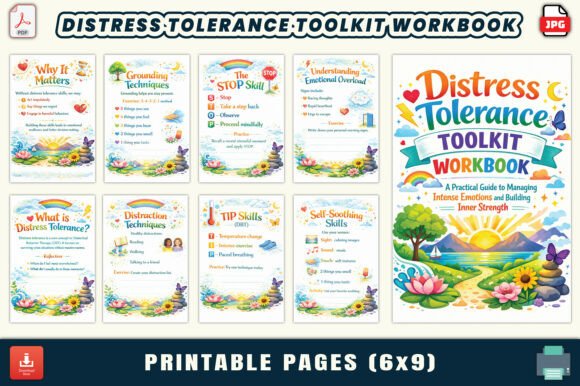
Building Emotional Strength with the Distress Tolerance Toolkit Workbook
Life has a way of throwing curveballs when we least expect them. A sudden argument with a loved one, an overwhelming deadline at work, or the quiet building of anxiety that seems to come from nowhere—these moments test our ability to stay steady. For many people, the instinct is to react impulsively: to lash out, shut down, or do something drastic just to make the feeling stop. But there is another way. The Distress Tolerance Toolkit Workbook offers a structured, practical path for managing those intense moments without losing control. Inspired by Dialectical Behavior Therapy (DBT), this workbook is designed for anyone who wants to build emotional resilience, understand their triggers, and develop real-world coping strategies that actually work.
What Distress Tolerance Really Means
Distress tolerance is not about pretending everything is fine when it is not. It is not about suppressing emotions or forcing a positive mindset in the middle of a crisis. Instead, it is the ability to survive difficult emotional experiences without making them worse. Think of it as the emotional equivalent of holding your breath underwater—you know the discomfort is temporary, and you have techniques to stay calm until you surface. The Distress Tolerance Toolkit Workbook teaches this exact skill set. It helps you recognize when distress is escalating and gives you concrete steps to pause, ground yourself, and choose a response instead of reacting on autopilot.
Many people first encounter distress tolerance in the context of therapy, but the skills themselves are universal. Whether you struggle with anxiety, anger, sadness, or just the general overwhelm of modern life, the ability to tolerate distress without resorting to harmful habits is a cornerstone of emotional health. The workbook does not assume you have a diagnosis or a therapist. It is written for the person who simply wants to feel more in control when emotions run high.
Inside the Workbook: Design and Structure
The Distress Tolerance Toolkit Workbook spans 30 thoughtfully designed pages, each one crafted to guide you step by step toward greater emotional strength. The page size is 6 × 9 inches—compact enough to carry in a bag or keep on a nightstand, yet spacious enough for meaningful writing and reflection. The file format includes JPG and PDF, so you can print it at home, use it on a tablet, or even fill it out digitally with a note-taking app. This flexibility matters because distress tolerance is not a one-size-fits-all practice. Some people prefer the tactile experience of pen on paper; others want the convenience of a digital tool they can access anywhere.
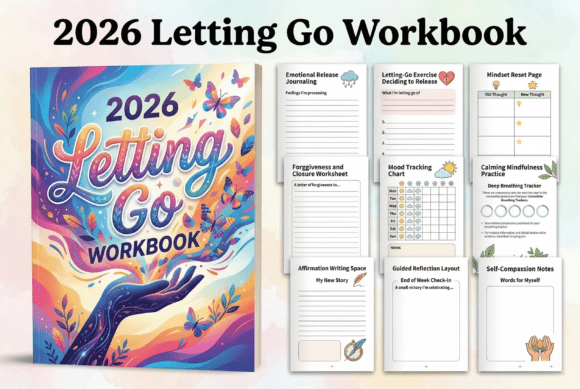
The workbook is divided into sections that build on each other. Early pages focus on understanding your emotional patterns and identifying common triggers. Later pages introduce specific techniques like grounding exercises, urge surfing, and the STOP skill. Throughout, you will find reflection prompts, worksheets, and tracking tools that help you monitor your progress over time. The design avoids fluff—every page has a purpose, and the language is direct and encouraging without being overly clinical.
One of the standout features is the emphasis on building your personal distress tolerance toolkit. This is not a workbook you read once and put on a shelf. It is meant to be revisited, adapted, and customized. As you work through the exercises, you will identify which strategies resonate most with you. Some people find deep breathing and grounding to be lifesavers; others prefer cognitive reframing or physical movement. The workbook helps you discover your own effective methods and compile them into a toolkit you can rely on in moments of crisis.
Core Techniques You Will Learn
The techniques in the Distress Tolerance Toolkit Workbook are drawn from DBT, a therapeutic approach with decades of research behind it. But you do not need to be a therapist or a DBT expert to benefit from them. The workbook translates these skills into everyday language and practical exercises.
Grounding Exercises
Grounding is the practice of anchoring yourself in the present moment when emotions threaten to pull you into the past or future. A simple grounding exercise might involve naming five things you can see, four you can touch, three you can hear, two you can smell, and one you can taste. The workbook includes several variations of this technique, tailored to different situations—whether you are at home, at work, or in a crowded public space.
Urge Surfing
Urge surfing is a mindfulness technique for riding out intense cravings or impulses without acting on them. The idea is that urges are like waves: they rise, peak, and eventually fall. By observing the urge without judgment, you can let it pass naturally. The workbook provides guided prompts to help you practice urge surfing, track your experiences, and build confidence in your ability to resist impulsive reactions.
The STOP Skill
STOP stands for Stop, Take a step back, Observe, and Proceed mindfully. This is a crisis survival strategy that interrupts the cycle of reactive behavior. When you feel overwhelmed, the STOP skill gives you permission to pause before doing anything you might regret. The workbook breaks down each step with clear instructions and scenarios, so you can practice the skill in low-stakes situations before relying on it during a real crisis.
Self-Soothing and Self-Compassion
Self-soothing is about comforting your five senses. It might look like lighting a scented candle, wrapping yourself in a soft blanket, or listening to calming music. Self-compassion, on the other hand, is about the way you talk to yourself when you are struggling. Instead of berating yourself for feeling distressed, you learn to offer kindness and understanding. The workbook includes exercises for both, helping you build a repertoire of soothing activities and compassionate inner dialogue.
Mindfulness and Reflection
Mindfulness is woven throughout the entire workbook. It is the foundation that makes other techniques possible. By practicing mindfulness, you become more aware of your thoughts and feelings without being controlled by them. Reflection prompts at the end of each section encourage you to look back at your experiences, note what worked and what did not, and adjust your approach accordingly.
Who Benefits from This Workbook?
The Distress Tolerance Toolkit Workbook is versatile enough for a wide range of users. Mental health professionals and coaches can use it as a resource for clients who are working on emotional regulation. Because the exercises are grounded in DBT, therapists will find the content aligns well with evidence-based practice. The workbook can be assigned as homework between sessions, used in group therapy settings, or incorporated into coaching programs focused on resilience and self-awareness.
For individuals navigating their own emotional challenges, the workbook serves as a self-guided companion. You do not need a therapist to benefit from these tools—though having professional support can certainly enhance the process. People who struggle with anxiety, anger management, grief, or chronic stress will find the techniques immediately applicable. Even those who consider themselves emotionally stable can use the workbook to deepen their self-understanding and prepare for future challenges.
Self-care and personal development enthusiasts will appreciate the workbook's practical, no-nonsense approach. It fits naturally into a broader wellness routine that might include journaling, meditation, exercise, or therapy. The workbook fills a specific gap: it teaches you what to do in the moment when emotions feel unmanageable. That is a skill many self-care practices overlook.
Practical Benefits and Real-World Application
One of the most compelling reasons to invest in the Distress Tolerance Toolkit Workbook is its emphasis on real-world application. The exercises are not abstract or theoretical. They are designed to be used in the middle of a difficult moment—at your desk, in your car, or at home after a hard day. The workbook gives you a script to follow when your mind is racing and you cannot think clearly.
For example, imagine you receive an email that triggers a flood of anxiety. Your heart races, your thoughts spiral, and you feel an urge to respond impulsively. With the STOP skill, you can pause, take a breath, observe what is happening in your body and mind, and then choose a thoughtful response. Later, you can use the workbook's reflection prompts to unpack what triggered you and plan how to handle similar situations in the future.
Another practical benefit is the progress tracking. The worksheets allow you to log your triggers, the strategies you used, and how effective they were. Over time, this creates a personalized map of your emotional landscape. You begin to see patterns—maybe certain times of day, specific people, or particular environments are more challenging. Armed with that knowledge, you can anticipate difficulties and prepare your toolkit in advance.
Considerations Before Choosing This Workbook
If you are evaluating whether the Distress Tolerance Toolkit Workbook is right for you, there are a few factors to consider. First, the workbook assumes a basic willingness to engage with your emotions. If you are not ready to reflect on your triggers or practice new skills, the tools will not be as effective. That said, the workbook is designed to meet you where you are. The exercises start gently and become more challenging as you build confidence.
Second, while the workbook is self-contained, some users may benefit from additional support. If you are dealing with severe mental health conditions, the workbook can be a valuable supplement to therapy but should not replace professional care. The techniques are powerful, but they are not a substitute for medical or psychiatric treatment.
Finally, consider your preferred learning style. The workbook relies on writing, reflection, and practice. If you are someone who learns best through reading or discussion, you might incorporate the exercises into conversations with a therapist or a trusted friend. If you are a visual or hands-on learner, the grounding and self-soothing exercises will likely resonate more.
Why This Workbook Stands Out
There are many resources on emotional regulation, but the Distress Tolerance Toolkit Workbook distinguishes itself with its clarity, practicality, and design. It does not overwhelm you with theory or jargon. Instead, it gives you actionable steps and a clear framework for building distress tolerance over time. The 30-page length is manageable—you can work through it in a weekend or spread it out over a month. The 6 × 9 inch size makes it portable, and the digital format ensures you can access it whenever you need a reminder of your coping strategies.
The workbook also respects the fact that everyone's journey is different. It does not prescribe a single path to emotional strength. Instead, it offers a menu of techniques and invites you to discover what works for you. This autonomy is empowering. When you build your own distress tolerance toolkit, you are not just memorizing skills—you are developing a personalized system for navigating life's challenges.
In a world that often demands constant productivity and positivity, the ability to tolerate distress without shame or avoidance is a radical act of self-care. The Distress Tolerance Toolkit Workbook gives you the tools to do exactly that, one page at a time. Whether you are a therapist looking for client resources, an individual working on emotional regulation, or someone simply committed to personal growth, this workbook offers a structured, compassionate, and effective way to build the emotional strength you need to thrive.