Building Strong Habits: How a Kids Responsibility Tracker Supports Growth and Independence
Every parent and teacher knows the feeling: you ask a child to complete a simple task, and somehow it vanishes into thin air. The chore isn't done, the homework isn't turned in, and the morning routine turns into a battle of reminders. This isn't a reflection of a child's character; it's a sign that they need a system to help them build structure. That is exactly where a Kids Responsibility Tracker becomes an invaluable tool. Instead of nagging or frustration, you can offer a visual, engaging way for children to see what they need to do, track their success, and feel a genuine sense of accomplishment.
Responsibility is a skill that must be nurtured over time. Children do not instinctively know how to prioritize tasks or manage their time. They rely on external structure to develop internal discipline. A Kids Responsibility Tracker provides that external structure in a kid-friendly format. It transforms abstract concepts like "be responsible" into concrete, checkable actions. Whether you are a parent trying to create a calmer household, a teacher managing a busy classroom, or a homeschooler looking for a consistent routine, this tracker bridges the gap between intention and action.
Why Children Struggle with Responsibility
Understanding the root of the challenge makes the solution clearer. Children often struggle with responsibility because they lack a clear framework. They may feel overwhelmed by a long list of expectations, or they simply forget what they are supposed to do. The brain of a child is still developing executive function skills, including organization, task initiation, and working memory. Asking a child to "clean your room" or "do your homework" without breaking it down can lead to procrastination or avoidance.
A Kids Responsibility Tracker addresses this directly. It breaks down the day into manageable pieces. Instead of a vague command, the child sees specific items: make bed, brush teeth, complete math worksheet, read for fifteen minutes. This clarity reduces anxiety and increases follow-through. The tracker also provides a visual cue throughout the day, serving as a gentle reminder without requiring a parent to constantly repeat themselves. Over time, the child internalizes these routines, and the tracker becomes less of a crutch and more of a launching pad for independence.
How a Responsibility Tracker Fosters Lasting Habits
Habits are formed through repetition and positive reinforcement. A Kids Responsibility Tracker excels at both. Each day, the child engages with the tracker, marking off completed tasks. This repeated action wires the brain to expect a routine. The satisfaction of checking off a box or placing a sticker activates the brain's reward system. Children are motivated by visible progress. When they can see a week of completed tasks, they feel proud of their consistency. That pride becomes a self-sustaining motivator.
The tracker also introduces the concept of goal setting at a developmentally appropriate level. Children can set small goals, such as completing all chores by dinner or reading a certain number of pages each day. When they reflect on their progress, they learn to connect effort with outcome. This is a profound lesson that extends far beyond childhood. A Kids Responsibility Tracker is not just about chores or homework; it is about teaching a child that their actions matter and that they have control over their own success.
Practical Applications in the Home
For parents, the tracker can transform the household dynamic. Mornings are often the most stressful part of the day. A simple checklist can empower a child to move through their morning routine independently. Instead of a parent listing off tasks, the child consults their tracker. This shift from external control to self-management reduces conflict and builds confidence. Evening routines benefit as well. Tasks like putting away toys, laying out clothes for the next day, and completing hygiene steps become part of a predictable pattern.
Parents can also use the tracker to teach financial literacy or reward systems. For example, a child might earn a small allowance based on completing a certain number of tasks each week. The tracker provides an objective record, eliminating arguments about whether a task was done. This teaches children that responsibility has tangible benefits, and it gives parents a fair, consistent way to acknowledge their child's efforts. The key is to keep the system positive and focused on growth, not punishment.
Using the Tracker in Classroom and Homeschool Settings
Teachers face the challenge of managing many children with varying levels of self-regulation. A Kids Responsibility Tracker can be integrated into classroom routines to help students stay on top of assignments, classroom jobs, and personal goals. When each student has their own tracker, they learn to take ownership of their learning. Teachers can check in briefly, celebrate progress, and offer guidance when a student is struggling to complete tasks. This approach fosters a classroom culture of accountability and mutual respect.
Homeschooling parents often wear multiple hats, and structure is essential for a productive learning environment. A Kids Responsibility Tracker helps delineate schoolwork from household responsibilities, making the day feel organized rather than chaotic. The tracker can include subjects to complete, practice activities, and independent reading, all in one place. This gives the homeschooler a clear roadmap for the day and helps the parent see at a glance what has been accomplished. It also teaches the child to manage their own workload, a skill that will serve them well in higher education and beyond.
Tailoring the Tracker to Different Ages and Needs
Every child is different, and a one-size-fits-all approach rarely works. The beauty of a physical Kids Responsibility Tracker is that it can be adapted to suit a wide range of ages and maturity levels. For younger children, the focus might be on simple self-care tasks and basic chores. The layout should be simple, with large writing spaces and perhaps icons or visuals. For older children, the tracker can include homework assignments, extracurricular practice, long-term project steps, and personal goals like practicing kindness or limiting screen time.
Children with ADHD, anxiety, or executive function challenges particularly benefit from this type of tool. The tracker provides a consistent external structure that compensates for internal difficulties with organization and memory. It reduces the cognitive load of remembering what to do, freeing up mental energy for actually completing the tasks. Parents and teachers of children with special needs often find that a Kids Responsibility Tracker reduces meltdowns and increases cooperation because the expectations are clear and predictable.
Encouraging Reflection and Growth
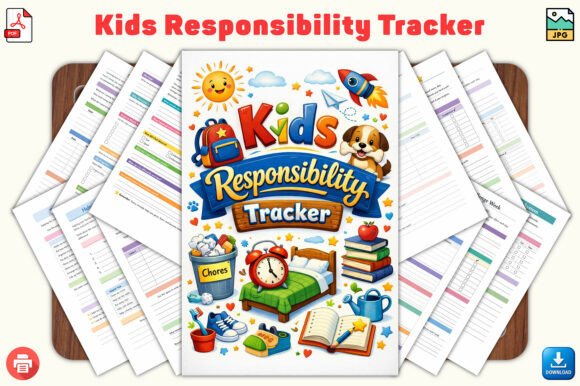
One of the most powerful features of a responsibility tracker is the opportunity for reflection. The Kids Responsibility Tracker includes space for children to reflect on their progress and improvement. This is not about dwelling on mistakes; it is about recognizing growth. When a child looks back at a week or a month of tracking, they can see how far they have come. They might notice that a task that used to be difficult is now easy, or that they are consistently completing more than they did before.
Parents and teachers can guide this reflection with simple questions: "What went well today?" or "Which task was hardest, and how did you handle it?" This conversation builds emotional intelligence and problem-solving skills. The child learns that challenges are normal and that they have the ability to overcome them. The tracker becomes a tool for building resilience, not just compliance.
Getting Started with a Kids Responsibility Tracker
Introducing a new system requires a thoughtful approach. Begin by involving the child in the process. Let them see the Kids Responsibility Tracker and explain that it is a tool to help them, not a way to monitor or control them. Frame it as a partnership. Ask the child what tasks they think should be included. When children feel ownership over the tracker, they are far more likely to use it willingly.
Start small. It is tempting to list every possible expectation, but that can overwhelm the child. Choose five to seven key tasks and focus on consistency. Once those become automatic, you can add more. Celebrate the small wins. Every checkmark is a step toward independence. Use the tracker as a positive tool, not a consequence tool. If a task is missed, treat it as a learning opportunity, not a failure. Ask the child what they could do differently tomorrow, and let them try again.
The physical design of the tracker matters too. With a clean, kid-friendly layout and plenty of writing space, children can comfortably track their responsibilities without feeling cramped or confused. The 6 x 9 inch size is portable, making it easy to store in a binder or take on the go. This consistency—having the same format every day—reduces resistance and builds familiarity.
Creating a Positive Responsibility Culture
Responsibility should not feel like a burden. When children understand that their contributions matter to the family or classroom, they develop a sense of purpose. A Kids Responsibility Tracker helps children see their role in the bigger picture. They learn that completing their chores helps the household run smoothly, that finishing homework prepares them for success, and that personal habits like brushing teeth or getting enough sleep are acts of self-care.
Parents and teachers can reinforce this by acknowledging effort, not just completion. A simple "I saw you worked hard on your reading today" or "Thank you for remembering to feed the dog without being asked" goes a long way. The tracker provides data for these positive conversations. Instead of saying "You never do your chores," you can say "Look, you completed four out of five tasks today. That is great progress!" This shift in language encourages the child to keep trying.
Long-Term Outcomes of Using a Responsibility Tracker
The ultimate goal of any responsibility system is to raise children who no longer need the system. A Kids Responsibility Tracker is a scaffold. As the child builds internal discipline and organizational skills, the scaffold becomes less necessary. This process takes time, but it is deeply rewarding. Children who use a tracker consistently often develop better time management, higher self-esteem, and a stronger sense of accountability.
These skills translate directly into academic success and healthy relationships. Children who learn to manage their responsibilities early are better prepared for the demands of middle school, high school, and eventually adult life. They understand that effort leads to results, and they have a positive self-concept because they have experienced success. The Kids Responsibility Tracker is not just a product; it is an investment in a child's future character and capability.
Final Thoughts on Implementation
No single tool works for every child, but a well-designed responsibility tracker is about as close as you can get. The key is to use it consistently, with patience and positivity. Some days the tracker will be filled with checkmarks, and other days it might have gaps. That is okay. The goal is not perfection; it is progress. Every time a child engages with the tracker, they are practicing responsibility. Over weeks and months, those small practices add up to real, lasting change.
For parents, teachers, and homeschoolers looking for a practical, engaging way to help children build strong habits, a Kids Responsibility Tracker is a thoughtful and effective resource. It meets children where they are and gently guides them toward where they are capable of going. By providing structure, celebrating progress, and encouraging reflection, this tracker helps children learn that responsibility is not a chore—it is a source of pride and independence.