Stress, Anxiety Mood Tracker Journal
Mental wellness isn't something you achieve overnight. It's a daily practice, a series of small decisions that compound into lasting emotional resilience. Yet for many of us, the hardest part is simply knowing where to start. That's exactly where the Stress, Anxiety Mood Tracker Journal steps in. This isn't another vague self-help book or a complicated system you'll abandon after three days. It's a practical, structured workbook designed to help you build real awareness around your emotional patterns—one day at a time over 90 days.
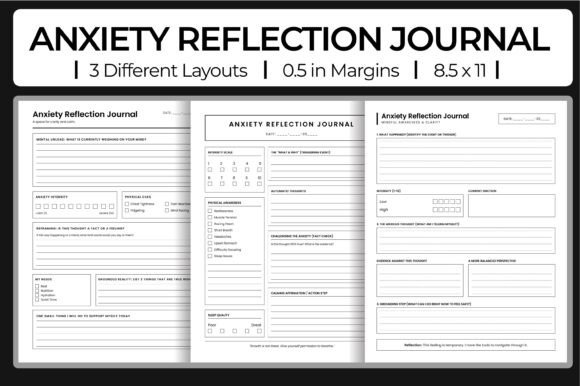
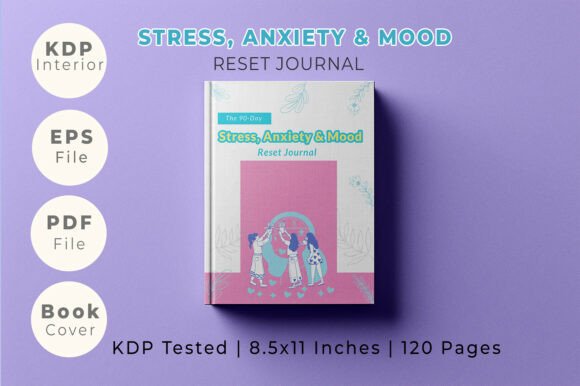
At first glance, the workbook feels refreshingly straightforward. The 8.5 x 11 inch interior gives you plenty of room to write without feeling cramped, and the clean black-and-white design keeps visual distractions to a minimum. There are no elaborate graphics, no overwhelming color schemes, no design flourishes that might pull your attention away from what actually matters: your thoughts, your feelings, your progress. The layout is consistent page after page, which means you don't have to waste mental energy figuring out where to write or how to use each section. You just open, read the prompt, and write. That consistency is intentional—it removes friction and makes journaling a habit rather than a chore.
What sets this journal apart from a standard notebook is the guided structure. It's not a blank slate; it's a system. The daily tracking pages walk you through stress levels, anxiety triggers, and mood fluctuations in a way that feels manageable, not overwhelming. You're not expected to write pages of deep reflection every single day. Some days you might jot down a few sentences. Other days you might fill the entire space. The design accommodates both without judgment.
A System Built for Real Life
The Stress, Anxiety Mood Tracker Journal is organized into a 90-day program, but calling it a "program" might make it sound more rigid than it actually is. Think of it more like a framework. Each day includes space to log your stress and anxiety levels, track your mood, and note any patterns you're noticing. The weekly reset reflection pages give you a chance to step back and look at the bigger picture—what worked, what didn't, what surprised you about your own emotional responses.
Where this workbook really shines is in the thought reframing sections. It's one thing to notice you're feeling anxious. It's another to understand why, and to challenge the thoughts that are fueling that anxiety. The journal includes dedicated prompts that guide you through identifying negative thought patterns and replacing them with more balanced perspectives. It's a technique borrowed from cognitive behavioral therapy, but presented here in a way that's accessible and practical for everyday use.
The coping strategy habit-building pages are another standout feature. Instead of just tracking problems, the workbook asks you to identify what helps and consciously build those strategies into your routine. Maybe you discover that a ten-minute walk in the middle of the afternoon consistently reduces your anxiety. The journal helps you notice that pattern and turn it into a deliberate habit rather than something you do only when you're already overwhelmed.
There's also a monthly mood tracking system that lets you visualize your emotional trends over time. This is where the real insights start to emerge. You might notice that your mood consistently dips on certain days of the week, or that specific situations trigger a stress response you hadn't consciously connected before. That kind of awareness is powerful because it gives you actionable information. You can't change what you don't understand, and this workbook is built around helping you understand yourself better.
Who Benefits Most from This Workbook
The audience for this journal is broader than you might expect. Obviously, if you're someone dealing with chronic stress or anxiety, you'll find immediate value in having a structured way to track and manage those feelings. But the workbook is equally useful for people who simply want to understand their emotional landscape better. Entrepreneurs juggling multiple projects, creatives navigating the ups and downs of freelance work, parents trying to maintain balance amid chaos, students facing academic pressure—anyone who wants more emotional clarity can benefit from the daily practice this workbook encourages.
For designers, content creators, and small business owners who publish low-content books, this workbook also represents a strong product opportunity. The interior is print-ready and professionally laid out, with a consistent design that's easy to reproduce. The 120-page structure gives buyers enough material to form a meaningful habit without feeling like they're committing to a year-long project. And the clean black-and-white design means it prints well on standard home printers or through professional services without any color calibration headaches.
Publishers and crafters looking to expand their product line into mental wellness or self-care categories will find this workbook hits a sweet spot. It's specific enough to serve a clear need, but broad enough to appeal to a wide audience. The 90-day structure also encourages repeat purchases—someone who completes one workbook might well come back for another, either for themselves or as a gift for someone else.
How the Design Supports Emotional Clarity
You might not think design matters much for a journal about mental health, but it actually plays a huge role. The Stress, Anxiety Mood Tracker Journal uses a sparse, minimal aesthetic that does something important: it lowers the barrier to entry. When you're feeling stressed or anxious, the last thing you want is a visually busy page that demands your attention. The clean layout lets you focus on the prompts without visual noise. The black-and-white design is also practical—no worrying about ink costs if you're printing at home, and no distractions from colored elements that might influence your mood in unintended ways.
The 8.5 x 11 inch size is another deliberate choice. It's large enough to write comfortably, but standard enough to fit in most bags. It's not a pocket journal you'll lose in your backpack, but it's also not a poster-sized workbook that feels awkward to carry around. It sits in that practical middle ground where it's easy to grab and use daily without feeling cumbersome.
The typography throughout is clean and legible, using standard fonts that prioritize readability over aesthetics. This isn't a journal you buy for its cover design or fancy typography; it's a journal you buy because the interior works. The prompts are clearly separated from the writing spaces, the tracking scales are intuitive to use, and the weekly and monthly sections are easy to find without flipping through pages randomly. Everything is designed to reduce friction, so you spend your energy on the actual journaling, not on navigating the workbook itself.
Practical Tips for Getting the Most Out of It
If you're new to journaling or tracking your mental health, the most important thing is to start small. Don't feel like you need to fill every section perfectly from day one. Some days you might only fill in the stress and mood tracking scales, and that's okay. The journal is designed to meet you where you are, not to demand perfection.
The weekly reflection pages are where most of the deep insights will come from. Make a point to actually sit down with those pages each week, even if you've been sporadic with your daily entries. The act of looking back at the week's patterns—what worked, what didn't, what surprised you—is often more valuable than any single day's entry.
For the thought reframing sections, try to be specific. Instead of writing "I felt anxious today," dig a little deeper. What situation triggered the anxiety? What thoughts were running through your mind? What evidence do you have that those thoughts are accurate, and what evidence contradicts them? This is the practice that builds long-term emotional resilience, not just temporary relief.
The coping strategy habit-building pages work best when you review them periodically. You might discover that strategies you thought were helpful aren't actually working, or that a coping mechanism you dismissed initially ends up being exactly what you need. Treat those pages as living documents, not static lists.
Final Thoughts on the 90-Day Journey
What makes the Stress, Anxiety Mood Tracker Journal different from a standard diary is the intentional structure. It doesn't just ask you to vent your feelings; it asks you to observe them, track them, and learn from them. The 90-day timeframe is long enough to form genuine habits and notice meaningful patterns, but short enough to feel achievable. By the time you reach the final reflection and growth review pages, you'll have a concrete record of your emotional journey—not just vague memories of how you felt, but actual data you can look back on and learn from.
Whether you're using this workbook for your own mental wellness journey or considering it as a product to publish and sell, the value lies in that simple but powerful structure. It gives you a system for doing the work, but it leaves the actual work up to you. And honestly, that's how real growth happens. No one can do the self-reflection for you, but having the right tool makes it infinitely easier to start and to stick with it.