Trauma Nervous System Workbook: Healing & Balance
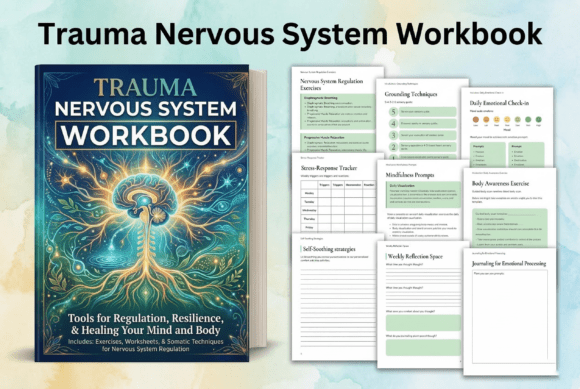
Understanding how trauma lives in the body can feel overwhelming, especially when you are navigating emotional triggers, chronic stress, or the lingering effects of past experiences. The Trauma Nervous System Workbook offers a structured, gentle path toward reconnection and regulation. This 120-page printable resource is designed for anyone who wants to move from survival mode into a place of grounded calm, using clear explanations, reflective exercises, and practical tools that respect your unique healing timeline. Whether you are a therapist looking for supplemental materials, a creator exploring self-development content, or an individual seeking personal recovery, this workbook provides a framework that is both accessible and deep.
What makes this workbook particularly valuable is how it balances psychoeducation with actionable steps. It does not assume prior knowledge of neuroscience or complex therapeutic models. Instead, it meets you where you are, offering simple language to explain how the nervous system responds to stress and trauma, then guides you into body awareness, emotion recognition, and regulation skills. This approach helps demystify symptoms like hypervigilance, numbness, or emotional flooding, replacing confusion with clarity and self-compassion.
Understanding the Nervous System Through Guided Exercises
One of the core strengths of the workbook lies in its ability to make the nervous system understandable without oversimplifying it. The section on nervous system awareness breaks down concepts like the vagus nerve, the stress response cycle, and the difference between survival states (fight, flight, freeze, fawn) and social engagement. Instead of academic jargon, you get relatable analogies and diagrams that click into place, helping you recognize your own patterns.
The body awareness exercises are especially grounding. They invite you to notice physical sensations without judgment, using breath, gentle movement, and mindful observation. This is not about forcing relaxation. It is about building a relationship with your body that is based on curiosity rather than fear. For someone who has experienced trauma, the body can feel like an unsafe place. These exercises slowly rebuild trust, one small noticing at a time.
Emotion identification worksheets further support this process. They encourage you to name what you feel with precision, moving beyond "I feel bad" to recognizing nuances like shame, grief, protective anger, or quiet fear. This specificity helps the nervous system feel seen and understood, which is a first step toward regulation. When you can accurately label an emotion, you reduce its intensity and create space for a conscious response.
Practical Applications for Healing and Daily Life
The Trauma Nervous System Regulation Workbook is not only for quiet introspection. It is built for real-world application. The regulation tools include proven techniques such as orienting, grounding, self-soothing touch, and resourcing. These are not abstract concepts. Each tool comes with step-by-step instructions, space for reflection, and prompts to help you integrate them into your daily rhythm.
For example, the trigger awareness reflection pages help you identify situations that activate your nervous system, whether they involve certain environments, relationships, sounds, or internal states. By mapping these triggers without judgment, you begin to see them as signals rather than threats. The workbook then guides you toward developing healthy responses, so you are not stuck in reactivity. This is where resilience builds.
Self-compassion healing prompts are woven throughout. These are not generic affirmations. They are invitations to speak to yourself the way you would speak to a close friend who is struggling. This tone of kindness is essential because trauma often leaves us with harsh inner critics. The workbook gently rewires that internal voice, word by word.
For therapists and coaches, this workbook serves as an excellent take-home resource. Clients can work through sections between sessions, bringing their insights and questions back for deeper exploration. For educators and group facilitators, it can be used as a curriculum guide for trauma-informed workshops or support circles. The printable PDF format means you can use individual pages as handouts or journal prompts, adapting the content to fit different contexts and time constraints.
Adapting the Workbook for Different Audiences and Contexts
One of the most interesting aspects of this resource is its flexibility. While it is designed with individual healing in mind, it can be adapted in numerous ways depending on your goals and audience.
For Personal Healing and Self-Development
If you are using the workbook for your own journey, consider pairing it with a consistent morning or evening routine. Spend five minutes each day on one exercise, rather than trying to complete the whole workbook in a weekend. This slow, paced approach respects the nervous system's need for gradual integration. Use the reflection pages as a journal, revisiting them after a few weeks to notice shifts in your awareness and responses. Over time, you will likely find that regulation becomes less effortful and more natural.
For Therapists and Mental Health Professionals
For therapists, the workbook can be a structured supplement to talk therapy. You might assign specific worksheets between sessions, such as the emotion identification pages or trigger awareness logs. This gives clients concrete tools to track their experiences, which can lead to richer, more focused conversations during appointments. The workbook also supports psychoeducation, helping clients understand the physiological basis of their symptoms, which reduces shame and increases engagement in treatment.
For Content Creators, Bloggers, and Educators
If you create content related to mental health, trauma recovery, or self-care, this workbook can serve as a reference for developing your own resources. Use the explanations and exercise formats as inspiration for blog posts, social media content, or workshop materials. You could create a series on nervous system regulation, using the workbook’s structure to inform your outline. For example, you might write a post on “How the Nervous System Responds to Stress” followed by “Five Grounding Techniques for Daily Calm,” each drawing from the workbook’s content. Always cite your sources and adapt rather than copy, but the framework provides a solid foundation for original educational content.
For Small Business Owners and Freelancers
Running a business or freelancing comes with its own stressors: financial uncertainty, client demands, isolation, and burnout. The regulation tools in this workbook are directly applicable to work life. The grounding exercises can be done before a high-stakes meeting or after a difficult conversation. The trigger awareness pages help you identify patterns like procrastination triggered by perfectionism or irritability linked to overwhelm. By using the workbook to build emotional resilience, you also build professional sustainability.
Building Resilience With Body Awareness and Self-Compassion
Resilience is not about never getting triggered. It is about how quickly and kindly you return to balance after being activated. The workbook supports this by helping you develop a personal regulation toolkit. You learn what works for your nervous system, not a generic one-size-fits-all prescription. Some people respond best to deep pressure or cold water; others need slow, rhythmic breathing or external resources like a comforting object or a favorite song. The guided exercises help you discover these preferences through experimentation and reflection.
Self-compassion is the foundation that holds all the other tools. Without it, even the best regulation techniques can feel like another chore or a sign that you are failing if they do not work perfectly. The workbook’s prompts normalize imperfection. They remind you that healing is nonlinear and that setbacks are not failures but information. This perspective shift, practiced over time, can transform your relationship with yourself and with stress.
Integrating Regulation Tools Into Your Routine
The key to getting the most out of the Trauma Nervous System Workbook is consistency over intensity. It is better to spend two minutes each day on a grounding practice than to do two hours once a month and then forget about it. Here are a few practical suggestions for weaving the workbook into your life:
- Morning anchor: Use one body awareness exercise as part of your morning routine to set a regulated tone for the day.
- Trigger log: Keep the trigger awareness pages accessible throughout the day. Jot down a quick note when you notice activation, and revisit it later for reflection.
- Evening review: At the end of the day, open one self-compassion prompt. Answer it briefly, without pressure to write a long entry.
- Weekly check-in: Use the emotion identification worksheets once a week to track patterns across time. Notice how your emotional landscape shifts with sleep, nutrition, social connection, and seasons.
By integrating these small practices, regulation becomes less of a “task” and more of a natural rhythm. The workbook serves as a guide, not a taskmaster. You can skip sections that do not resonate, repeat sections that do, and return to it whenever you need a reset.
Why This Workbook Stands Out
In a crowded space of self-help resources, the Trauma Nervous System Regulation Workbook distinguishes itself through its grounded, practical approach. It does not promise instant healing or quick fixes. Instead, it offers a reliable structure that honors the complexity of trauma while keeping the path forward manageable. The 120 pages provide enough depth to explore without becoming overwhelming. The printable PDF format means you can use it on paper, on a tablet, or in whatever way feels best for your nervous system.
For creators and professionals, this workbook is not only a tool for personal use but also a model for how to communicate complex ideas in a digestible, compassionate way. The combination of education, reflection, and action steps is a format that works across many content types, from courses to newsletters to community programs. If you are building a resource library for your audience, this kind of structure is worth studying and adapting.
Ultimately, the workbook invites you into a slower, more intentional relationship with your nervous system. It replaces fear with understanding, chaos with pattern recognition, and isolation with the quiet companionship of a well-designed guide. Whether you are new to nervous system work or have been on this path for years, there is something here to uncover, practice, and integrate.
The journey toward regulation is not about perfection. It is about showing up, again and again, with curiosity and care. This workbook makes that showing up a little easier, a little clearer, and a lot more compassionate.