Emotional Skills Workbook for Kids
The most effective educational tools seamlessly blend pedagogical purpose with compelling visual execution. An Emotional Skills Workbook for Kids represents a unique intersection of child psychology and graphic design, where every color choice, typographic decision, and layout composition directly impacts a child’s ability to engage, understand, and grow. For designers tasked with creating or evaluating such a resource, the challenge extends beyond mere decoration. It requires a strategic application of visual hierarchy, intuitive iconography, and thoughtful color psychology to guide young users through complex emotional landscapes.
The Designer’s Role in Building Emotional Literacy
An Emotional Skills Workbook for Kids is more than a collection of pages; it is a structured environment designed to foster self-awareness and empathy. From a professional visual design standpoint, several core components contribute to its effectiveness as both a learning tool and a marketable creative asset.
Establishing Visual Hierarchy for Young Minds
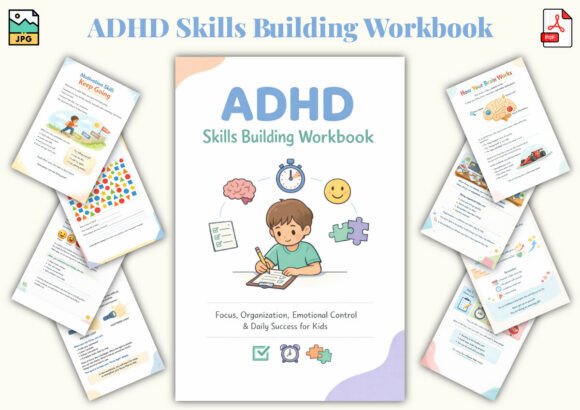
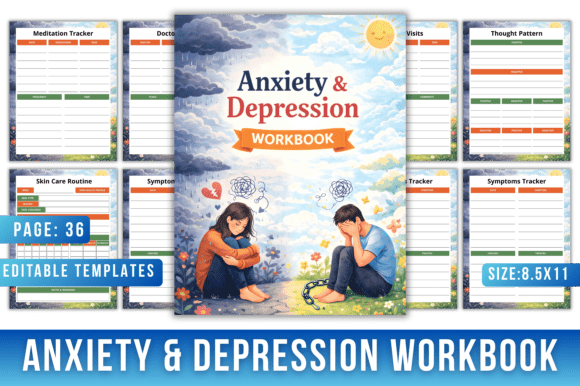
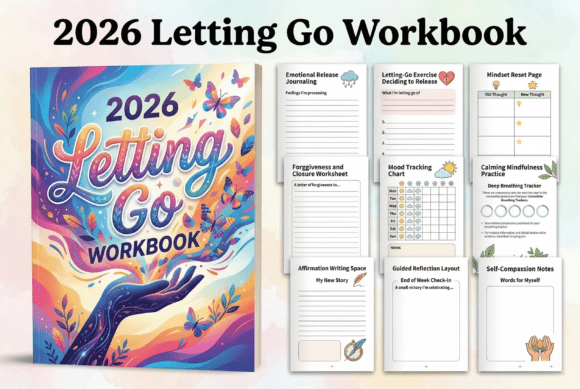
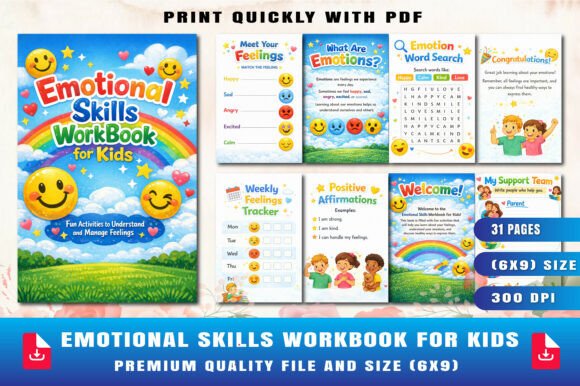
Children, particularly those developing reading skills, rely heavily on visual cues. A successful workbook employs a clear visual hierarchy. Headlines, activity prompts, and illustration areas must be distinctly defined using typography weight, scale, and strategic white space. The white background of this specific 31-page printable isn’t just an aesthetic choice; it is a functional one that reduces cognitive load. This allows the colorful design elements to guide the child’s eye smoothly from a breathing exercise to a reflection prompt, creating a seamless UX design experience on paper.
The Psychology of the Color Palette
Color plays a crucial role in emotional regulation and engagement. The use of a carefully curated color palette helps create a safe and inviting space, whether the workbook is used in print design format or digitally. Warm, calming hues might be strategically utilized for "Calm Down" exercises, while brighter, more energetic colors stimulate creativity during "Draw Your Feelings" activities. For designers working on brand identity projects for educational products, this thoughtful application of color demonstrates how modern aesthetics can directly serve a functional purpose.
Practical Applications in a Modern Design Workflow
For graphic designers, UI/UX designers, and marketing professionals, analyzing the components of high-quality educational assets can inform a wide range of creative projects.
- Branding and Logo Design: The friendly, welcoming tone established by the cover page and icons offers a masterclass in developing a brand identity that resonates with a specific demographic—children and their parents.
- Social Media Graphics: The high-resolution JPGs included in this package can be repurposed by counselors or educators to create compelling digital marketing content that promotes emotional awareness.
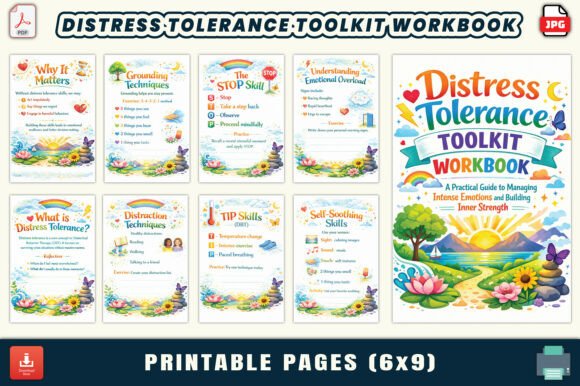
- Editorial and Print Design: The 6x9 inch format is a classic, highly portable size. Analyzing the layout’s margins, grid structure, and bleed considerations provides practical insights for any editorial design or packaging design project.
- Web and UI Design: The workbook’s logic translates perfectly to designing kid-focused apps or websites. Its clean interface, large interactive zones (like drawing spaces), and sequential flow mirror a great design workflow for user engagement.
Typography That Speaks Their Language
Typography in a children’s workbook is a critical tool for readability and tone. A friendly, rounded sans-serif font often works best for body text, mimicking the playful tone kids are familiar with. Combining this with a highly legible font for instructions creates a strong typographic system. Designers must consider the scalability of typefaces when preparing assets for both print design and digital distribution, ensuring that the professional presentation remains intact across all mediums.
Elevating Digital Products Through Thoughtful Design
In the competitive landscape of digital marketing and creative projects, the standard of your visual assets directly influences perceived value. A well-formatted, print-ready PDF signals professionalism and attention to detail. For creators, offering a beautifully designed Emotional Skills Workbook for Kids can enhance brand recognition and justify a premium price point.
The inclusion of diverse activities—feelings identification, drawing prompts, and breathing exercises—requires a flexible yet consistent layout. By maintaining visual interest without sacrificing usability, this workbook serves as strong design inspiration for anyone involved in web design, UI design, or creating social media graphics for educational brands.
Ultimately, the success of any creative project hinges on the designer’s ability to combine aesthetics with function. An Emotional Skills Workbook for Kids demonstrates this principle perfectly. By thoughtfully applying visual hierarchy, a consistent color palette, and age-appropriate typography, designers can create tools that not only look good but genuinely improve communication and emotional well-being. Investing in high-quality, professionally structured creative assets is an investment in clarity, engagement, and meaningful connection.